
Kick-off meeting
The EU has launched the research project CLEAR-EO, which will use new satellite technology and European cloud platforms to develop services that strengthen climate adaptation and air quality across Europe.
The project will provide concrete tools in three areas:
- Urban flood warnings: Faster and more precise alerts during extreme rainfall.
- Agricultural climate adaptation: Better decision support for farmers and authorities.
- Air quality forecasts: High-resolution forecasts that protect health and quality of life.
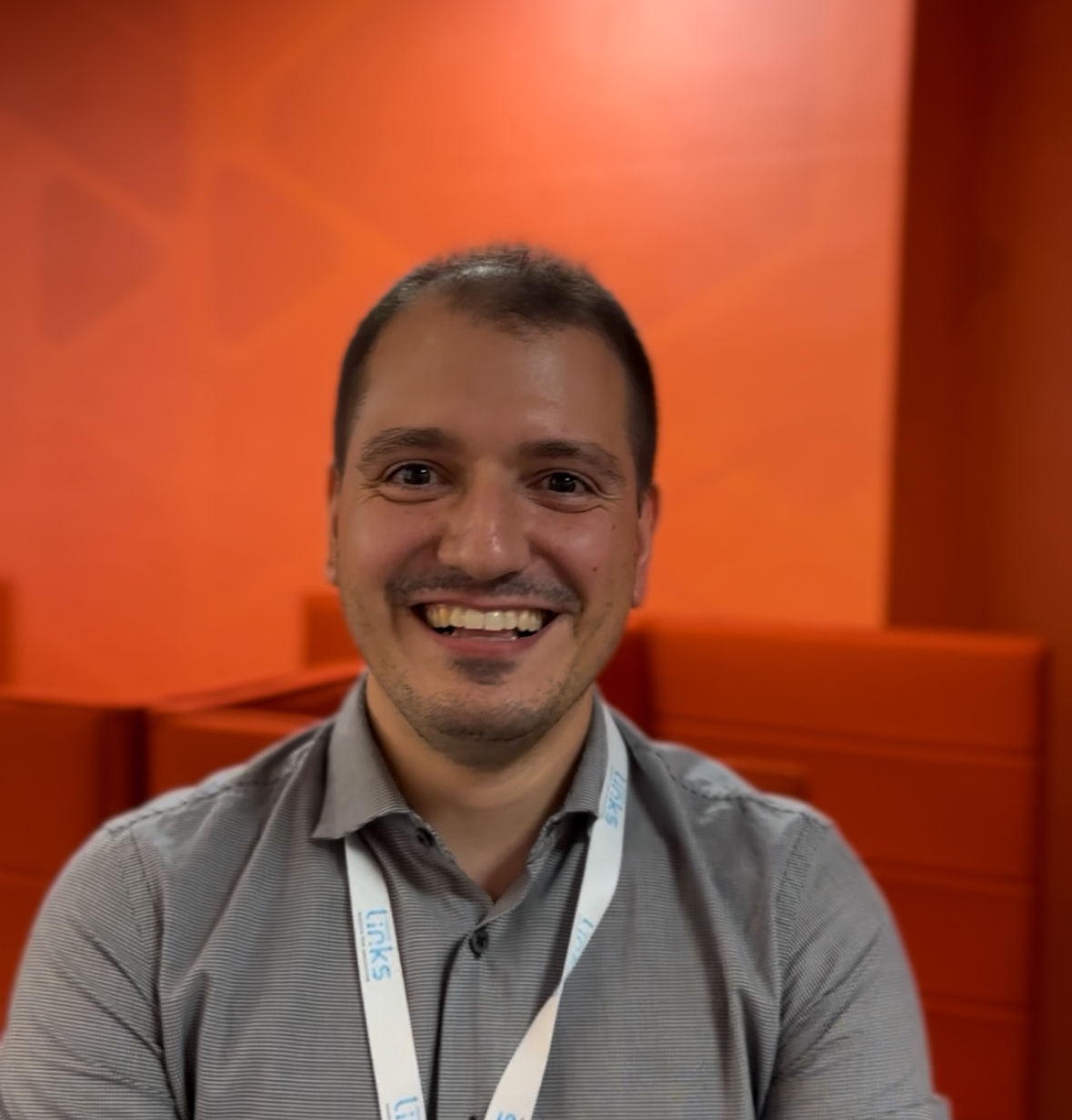
“CLEAR-EO is about turning space data into concrete solutions for society,” says Paolo Viviani of Fondazione LINKS.
The project brings together research organizations, weather forecasting services, data providers, and technology companies from across Europe. CLEAR-EO has a budget of EUR 4 million, funded by the EU’s Horizon Europe programme.

NCKF Symposium (Danish national climate conference)
The Danish Climate Science Symposium 2025 is a two-day gathering that brings together approximately 200 climate scientists, researchers, policymakers, and practitioners from across Denmark and the Danish Realm. The event serves as a dynamic forum for exploring major developments in climate science and for discussing the societal challenges that emerge in a rapidly changing climate.
The symposium combines technical scientific sessions with interdisciplinary, practice-oriented debates, creating space for both detailed analysis and broader reflections on climate impacts and solutions. Participants gain new insights, encounter diverse perspectives, and build connections that support future collaboration.
Emma Dybro Thomassen participated with a poster presenting CLEAR-EO, with focus on Application 1 “Flooding in urban areas” and how CLEAR-EO serves as a demonstration project for DMI to improve cloudburst induced flood warnings on a national scale for Denmark.
CLEAR-EO Siblings Meeting: Strengthening Synergies Across Horizon Europe Projects
In June CLEAR-EO joined a [project] siblings meeting with the Horizon Europe projects GreenEO and PANORAMA and others, bringing together coordinators and communication leads to explore synergies and opportunities for closer collaboration.
During the meeting, each project presented its scope and pilot applications, highlighting strong commonalities across Earth observation downstream services, digital technologies (including machine learning), air quality, climate and environmental challenges, integration with Destination Earth, and shared commitments to FAIR data practices, federated data spaces, and GEO data management principles.
The projects agreed on several joint actions, including organising a joint webinar on synergies, data spaces, and platforms, coordinating shared communication and media campaigns, and promoting Earth observation applications through the GEO Knowledge Hub. Opportunities for joint sessions at upcoming conferences such as EGU and EuroGEO were also discussed.
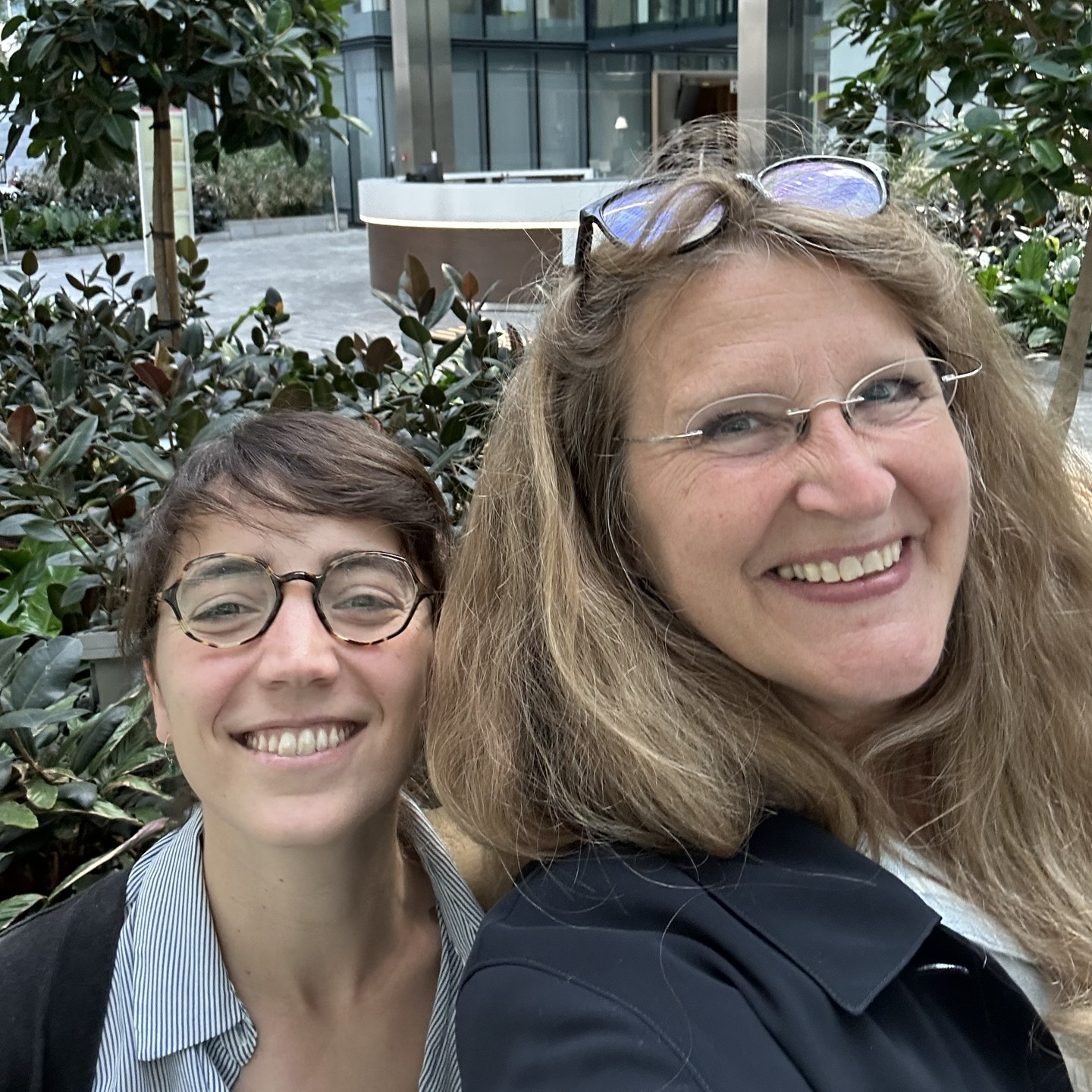
The consortiums will continue coordination through quarterly meetings, with the next meeting planned for 12th January 2026.
EuroGEO Workshop 2025: Advancing Earth Intelligence, Data Spaces & Destination Earth
In October 2025, the European Earth observation community came together at the EuroGEO Workshop 2025 in The Hague to accelerate the delivery of Earth Intelligence and strengthen Europe’s contribution to the GEO Work Programme. The workshop, held 13–15 October and jointly organised by the European Commission, the EuroGEO Secretariat, and the Netherlands Space Office, aimed to “Combine, Coordinate, Cooperate” under the theme #OneEuroGEO – One Voice. eurogeosec.eu
A core thread throughout the three-day event was how to leverage data spaces and platforms to support the shift from traditional Earth observation to integrated, decision-ready Earth intelligence. Sessions examined ways to align European data infrastructures, including Copernicus and national initiatives, with the GEO Post-2025 Strategy, which emphasises co-produced, user-centric solutions and equitable access to Earth intelligence.
Discussions highlighted the importance of innovation pipelines, standards, and interoperable systems to enable federated data sharing and reuse. This included exploration of how European data spaces can be shaped to support downstream EO applications, foster research and innovation, and link with global frameworks.
Connections with Destination Earth (DestinE) were underscored in strategic sessions that explored Earth intelligence co-design methods and integration pathways between high-resolution modelling, AI, and stakeholder needs. By reinforcing links between Copernicus, Destination Earth, and GEO priorities, the workshop demonstrated how coordinated data ecosystems can deliver impactful, evidence-based insights for policy and societal challenges.
Overall, EuroGEO 2025 strengthened cooperation on data spaces, federated access, and interoperable infrastructures, setting the stage for collaborative implementation of Europe’s contributions to GEO and Destination Earth in 2026 and beyond.
CLEAR-EO presented a poster “Portability and interoperability of digital twin components”.
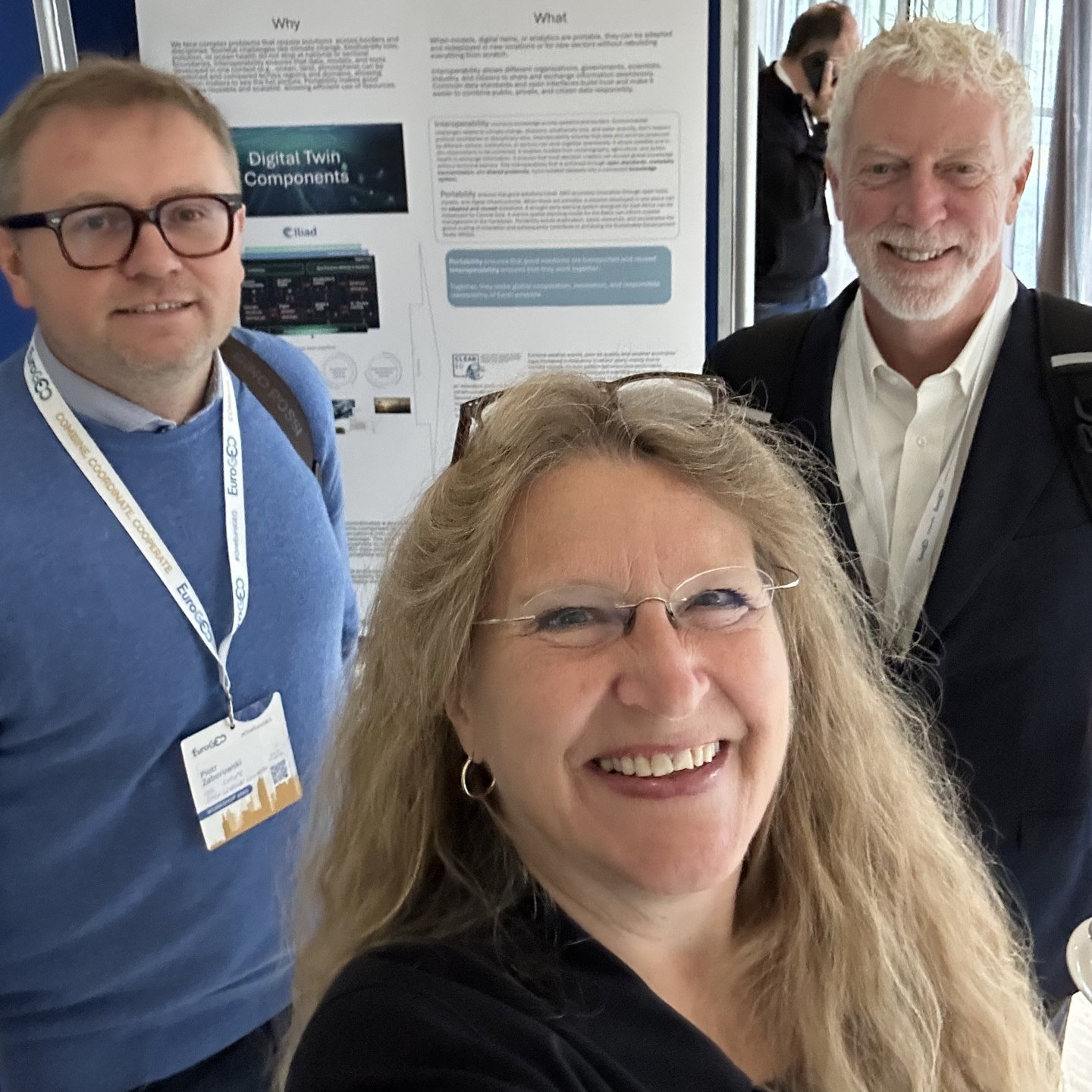
Both open standards and data spaces are key elements of the CLEAR-EO solutions. Bente Lilja Bye is here in front of the poster together with Piotr Zaborowski, OGC (left) and Mark Dietrich, SAGE project (right).
CLEAR-EO at Smart City Expo
SISTEMA and MEEO were excited to attend this year’s Smart City Expo in Barcelona, one of the leading global events focused on urban innovation and digital transformation. The expo brings together city representatives, industry players and researchers to explore new ideas and technologies that can help cities become more sustainable and resilient. Our participation offered a great opportunity to connect with the smart city community and introduce the vision of the newly launched CLEAR-EO project. Even though the project is at a very early stage, the three planned use cases already sparked strong interest, especially those focused on urban flooding and air-quality monitoring, which align closely with the daily challenges many cities face.
This interest is highly relevant for CLEAR-EO, as the project aims to design digital services that match real user needs. Conversations at the event showed a clear appetite for solutions that integrate Earth Observation data, physical models and in-situ measurements to deliver reliable and regularly updated information. Stakeholders highlighted the value of trustworthy datasets and consistent model outputs that support both operational decisions and long-term planning. The positive feedback we received reinforces the direction of CLEAR-EO and gives us strong motivation as we move forward with the development of the project’s services.
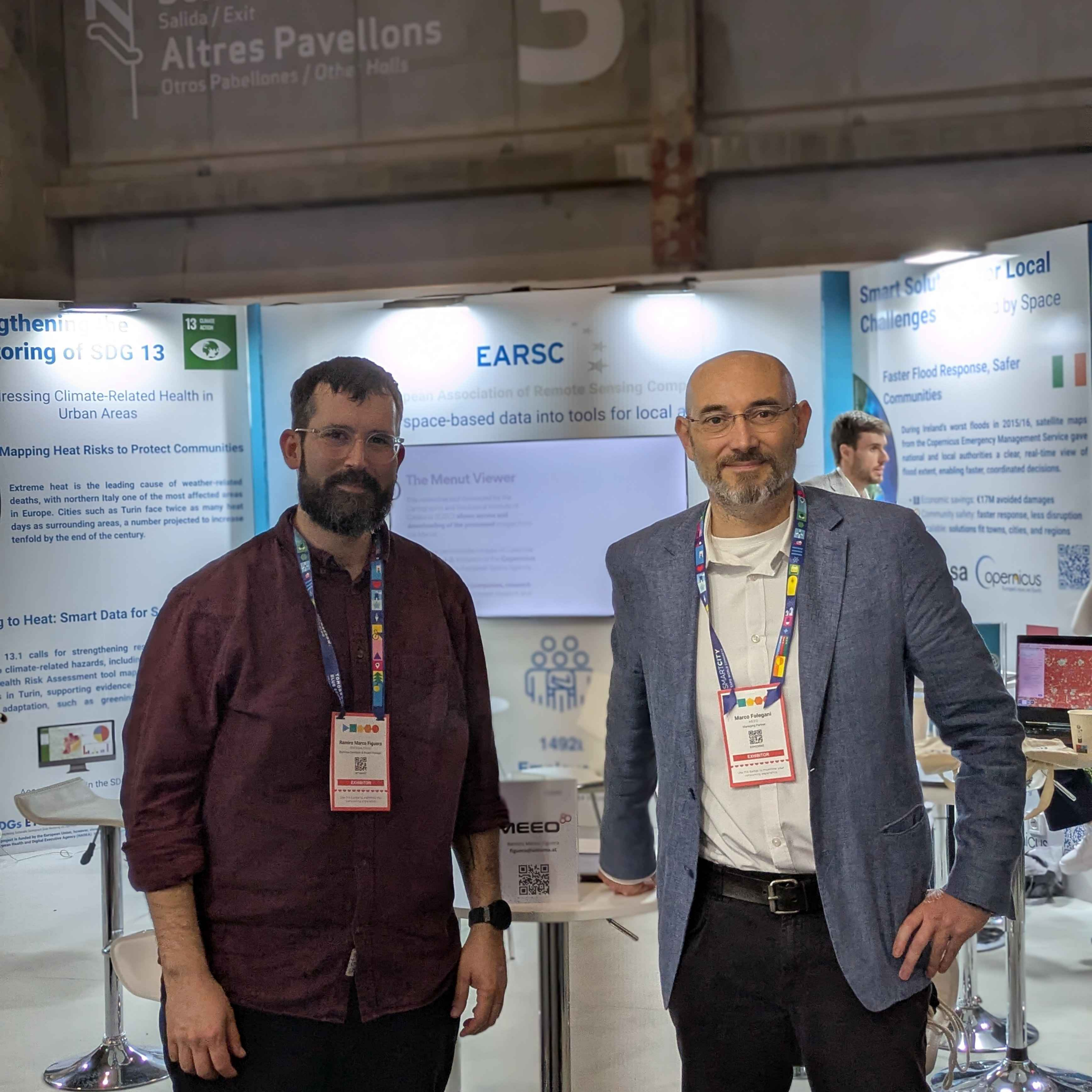
Ramiro Figuera and Marco Folegani at the Smart City Expo.
EBDVF 2025: Data Spaces, AI and Destination Earth for Actionable Earth Intelligence
The European Big Data Value Forum (EBDVF) 2025, organised by the Big Data Value Association (BDVA), brought together Europe’s data, AI, research, industry, and policy communities to discuss how data-driven innovation can support Europe’s green and digital transitions.
Across the forum, a strong emphasis was placed on European data spaces as a key enabler for secure, interoperable data sharing across sectors. Discussions highlighted how data spaces, combined with AI, high-performance computing, and digital twins, are essential for transforming large and heterogeneous data streams into decision-ready intelligence.
For the Earth observation community, EBDVF 2025 reinforced the strategic role of Destination Earth (DestinE) as a cornerstone of Europe’s digital infrastructure. DestinE was repeatedly referenced as a catalyst for integrating Earth observation data, advanced modeling, and analytics within federated data ecosystems, aligned with European data space principles.
For CLEAR-EO, the forum confirmed the importance of aligning Earth observation services, FAIR data management, and application-driven workflows with emerging data-space architectures and DestinE. This alignment is key to ensuring that CLEAR-EO applications; urban flooding, climate-resilient agriculture, and urban air quality, can contribute to Europe’s broader Earth intelligence ecosystem and deliver actionable insights for policy and operational users.
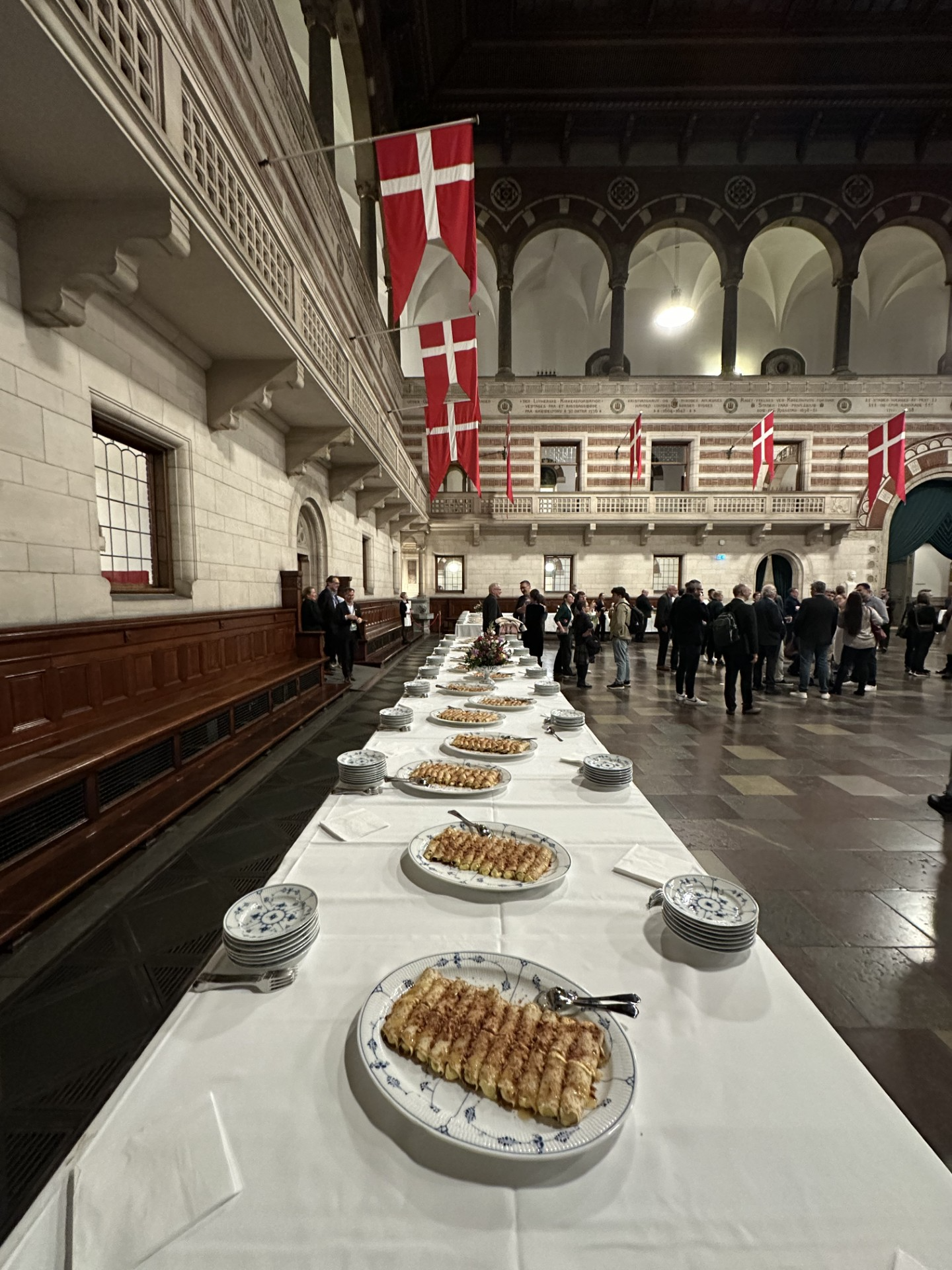
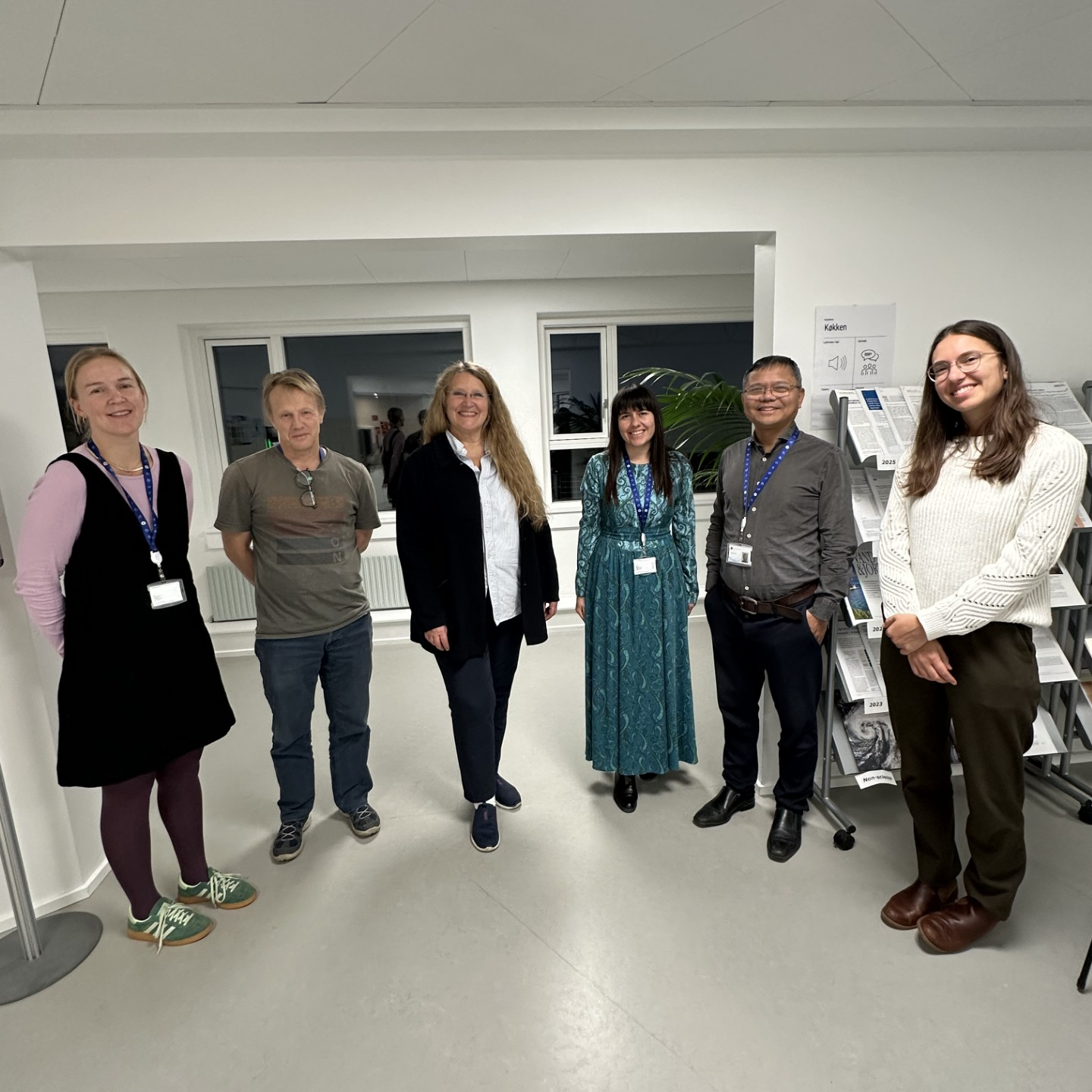
DMI and BLB attended the meeting. All attendees were cordially invited to the Copenhagen City hall and were offered the very honorable City Hall pancakes! A visit to DMI was squeezed in a very busy and interesting program
Super Computing 2025
Gabriella Povero and other colleagues from LINKS Foundation participated in SC25, the International Conference for High Performance Computing, Networking, Storage, and Analysis, held this year in Saint Louis, USA. With a booth organised together with the ETP4HPC European Technology Platform for HPC, LINKS engaged with international partners, explored emerging technologies, and presented recent advances in research and innovation.
A dedicated panel focused on the CLEAR-EO project, where LINKS introduced the project’s main components, including its developing virtual observatory and several key applications. These applications address critical environmental themes such as flash-flood risk in urban areas, climate-change impacts on agriculture, and air-quality assessment leveraging new generations of satellite data, including Meteosat Third Generation (MTG)and EUMETSAT’s Polar System – Second Generation (EPS-SG), both funded by the European Union.
For the LINKS team, SC25 offered valuable days of scientific exchange, collaboration, and networking with major international partners, while also providing insight into the latest trends in high-performance computing and Earth observation, very much relevant to CLEAR-EO.
During the event, LINKS was also part of the European Passport initiative, which brought to the booth quite a significant number of visitors who learnt about CLEAR-EO focus and activities.
CLEAR-EO Webinar: Early Use of the GEO Data Management Self-Assessment Tool
In our recent CLEAR-EO webinar, partners explored how the GEO Data Management Self-Assessment Tool can support WP2 and WP3 (the data collection, data requirements work) as we begin shaping our data workflows. CLEAR-EO partners had already tested the tool and raised questions on how to apply it this early in the project.
Lionel Menard, MINES Paris PSL, and lead developer of the tool in e-shape, joined the session to provide guidance, recommending that CLEAR-EO group its data around the three applications: urban flooding, climate-resilient agriculture, and urban air quality. This structure makes it easier to describe planned datasets, metadata, and access conditions while building a unified project-level DMP.
WP2, will now coordinate a baseline assessment and integrate results into the first CLEAR-EO Data Management Plan.
Launcing the CLEAR-EO webinar series
In January 2026, we kick off the CLEAR-EO webinar series.
CLEAR-EO Webinar #1 – Data Spaces for Earth Intelligence
The first CLEAR-EO webinar launches our series by focusing on data spaces as a key building block for next-generation Earth intelligence and digital twins. This session brings together leading data space experts to present the communities, architectures, and governance models they represent.
Speakers will introduce and compare major European initiatives, including Green Deal data spaces, Smart Cities data spaces, Copernicus and Destination Earth data spaces, as well as SIMPL and related frameworks.
The webinar will explore how these data spaces enable trusted data sharing, interoperability, and cross-domain reuse of Earth observation, in-situ, and model data, setting the foundation for scalable applications in climate resilience, environmental monitoring, and sustainable urban development.
The webinar is on Thursday 29th January 2026, 15:00 CET
The CLEAR-EO webinar series are held the last Thursday of the month.
SAVE THE DATES
- 29th January
- 26th February
- 26th March
- 30th April
- 28th May
- 25th June
STAY TUNED FOR MORE!