On International Women’s Day, CLEAR-EO celebrates the many women contributing their expertise to the project and to the broader field of Earth observation, environmental intelligence, and digital innovation.
Women play a vital role in STEM, from science and engineering to data science, artificial intelligence, and environmental research. Their perspectives, creativity, and leadership are essential to developing solutions that help society better understand and respond to climate change, environmental risks, and sustainability challenges.
CLEAR-EO is proud to reflect this progress. Around half of the experts in the CLEAR-EO consortium are women, working across disciplines such as Earth observation, atmospheric science, climate services, geospatial technologies, data infrastructures, and stakeholder engagement. Their work contributes directly to the project’s mission: transforming satellite and environmental data into actionable intelligence that supports decision-making for a more resilient and sustainable future.
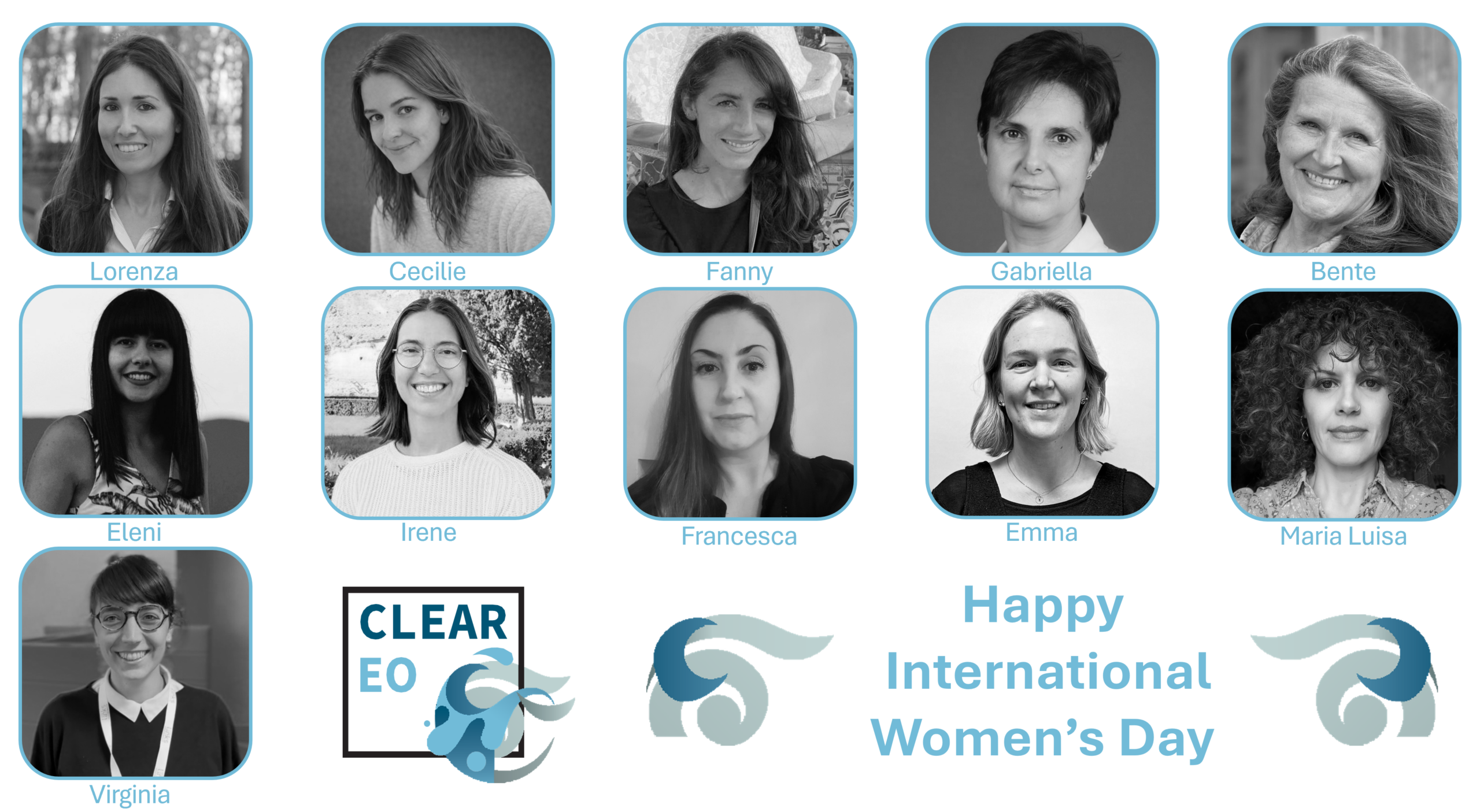
In this blog post, we highlight a selection of these inspiring women from across the CLEAR-EO consortium. While we cannot feature everyone, the profiles below represent about one third of the women contributing to the project, offering a glimpse into the wide range of expertise and roles they bring to CLEAR-EO.
From researchers and engineers to project leaders and communication specialists, these women demonstrate the strength that diverse perspectives bring to scientific collaboration and innovation.
On this International Women’s Day, CLEAR-EO recognises and thanks all the women in the consortium and across the Earth observation community who are helping to build the knowledge, tools, and partnerships needed to support Earth intelligence for society.

Virginia Ajani is a Researcher at the LINKS Foundation in Turin, focusing on Advanced Computing and HPC for Earth Observation and astrophysics applications, where I contribute to European Horizon projects on climate resilience. My academic background began with a master in theoretical physics and a thesis at the Max Planck Institute for Astrophysics (MPA) in Munich, followed by a PhD in Statistical Cosmology in Paris. Prior to my current role, I was a postdoctoral researcher at ETH Zurich, specializing in the statistical analysis of large-scale galaxy surveys.
Cecilie Thrysøe works at the Danish Meteorological Institute (DMI), where she contributes to the development of Denmark’s national flood forecasting system. With a PhD in urban flood modelling from DTU, her work sits at the intersection of hydrology, data and operational decision-making. She focuses on translating complex models and large datasets into reliable warning systems that support emergency services, municipalities and society in managing flood risk.
As an air quality and climate expert at SUEZ ARIA Technologies, Fanny Velay is dedicated to leveraging my expertise to improve environmental conditions worldwide. Her role is a true source of motivation, as it allows her to contribute to projects that help citizens aspire to a better quality of life. With 18 years of experience at ARIA Technologies as an engineer with skills in air quality modelling, Fanny’s role has evolved to include managerial responsibilities, aligning perfectly with her dynamic and multi-tasking nature.
Eleni Briola is a Machine Learning Scientist at the Danish Meteorological Institute with a background in software engineering. She develops machine learning models for weather forecasting and nowcasting and works on bringing them into real-world applications. With extensive experience in high-performance computing systems, she focuses on scaling advanced AI models to better understand and predict complex atmospheric processes. Through her work, she aims to bridge software engineering, AI, and atmospheric science to advance the future of weather prediction.
Irene Livia Kruse is a Research scientists at the Danish Meteorological Institute. She is a half-danish, half-Italian physicist with a phd in convective storms. Irene wants to help improve rainfall forecasts for flood warnings!
Francesca Perez has PhD in environmental engineering (Politecnico di Torino, Italy). She is currently Senior Researcher at the Centre of Earth Observation (COT) in LINKS. With +15 years’ experience, she is a senior EO scientist specializing in geomatics techniques for natural disaster hazard/risk identification and early-warning/early impact analyses. She also specializes in satellite data processing for drought and vegetation monitoring, land cover changes, and land degradation assessment.
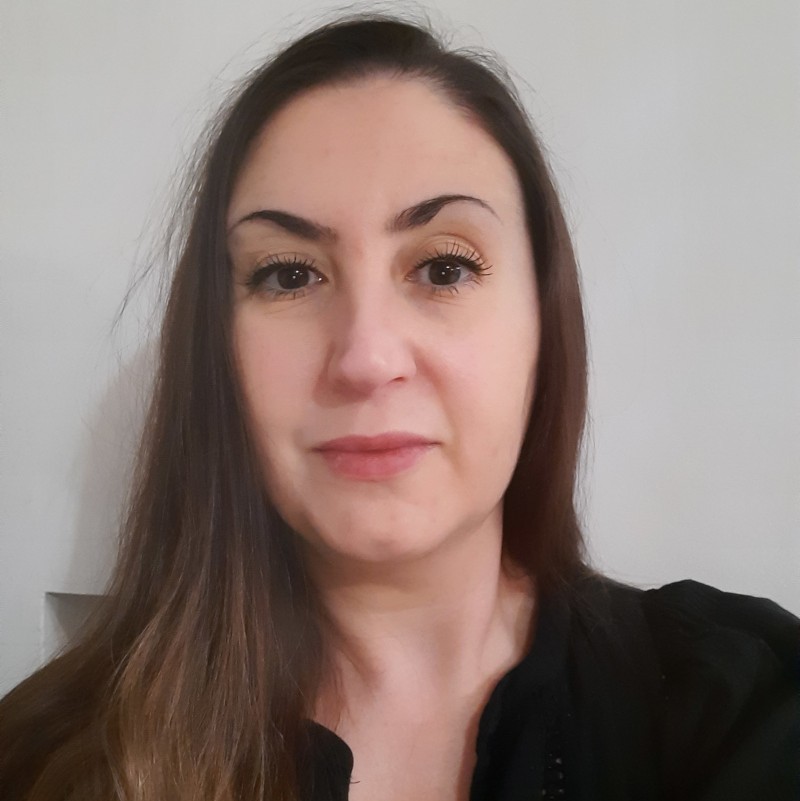
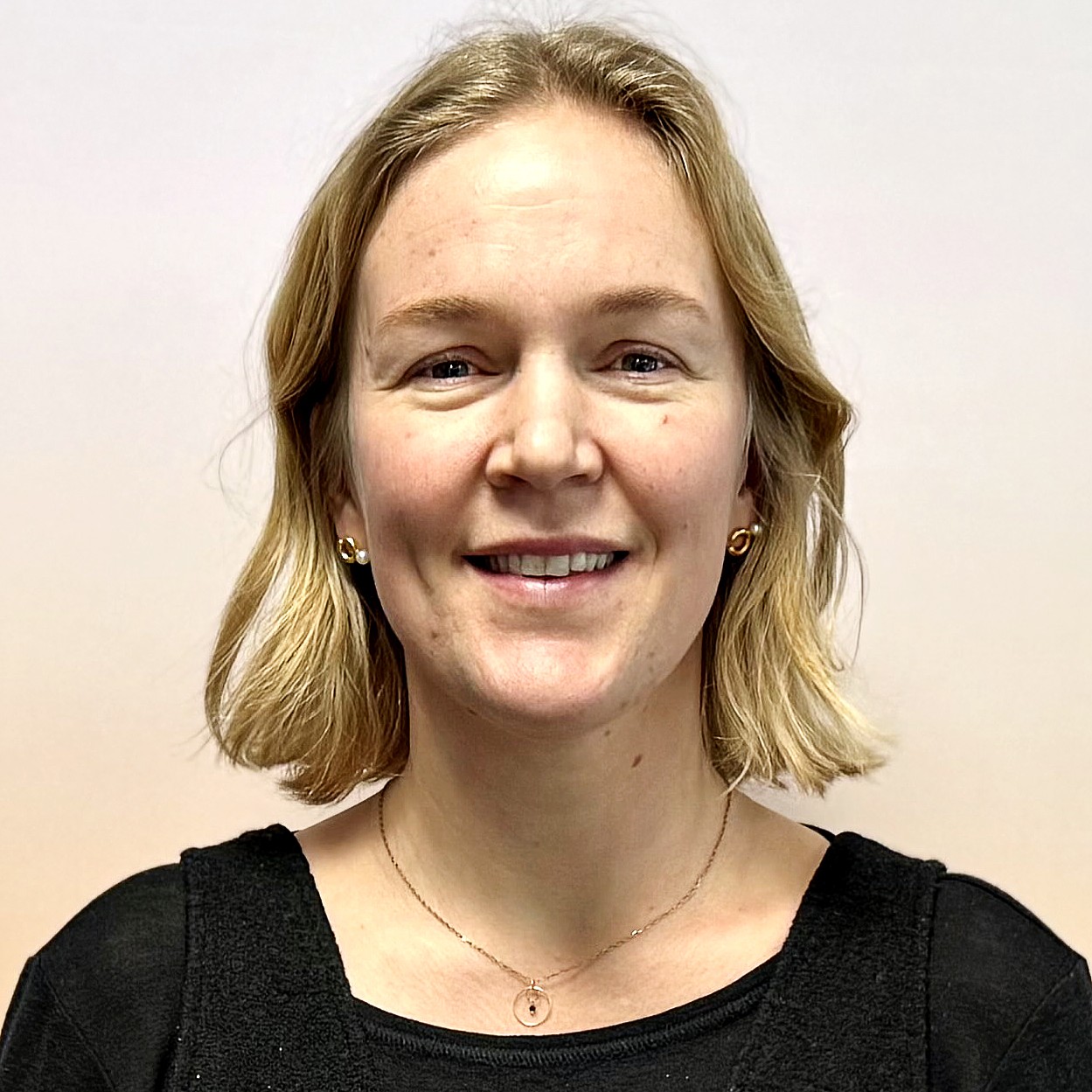
Emma Dybro Thomassen, researcher and hydrologist at DMI. Working on developing the national flood warning system for Denmark. PhD in spatio-temporal properties of extreme rainfall and representation of extreme rainfall in climate models.
Lorenza Bovio is a researcher at LINKS in the Earth Observation Centre. She has extensive experience in processing multispectral remote sensing data to support environmental analysis, acquired through previous training experiences at ENEA in Bologna, where she participated in research projects related to coastal area protection, and through long-term work experience at an Italian consulting firm in the field of water resource management, where she was involved in wetland conservation projects in Iraq. Previously, she worked at ITHACA, contributing to projects related to geomatics for mapping and environmental monitoring in emergency management.
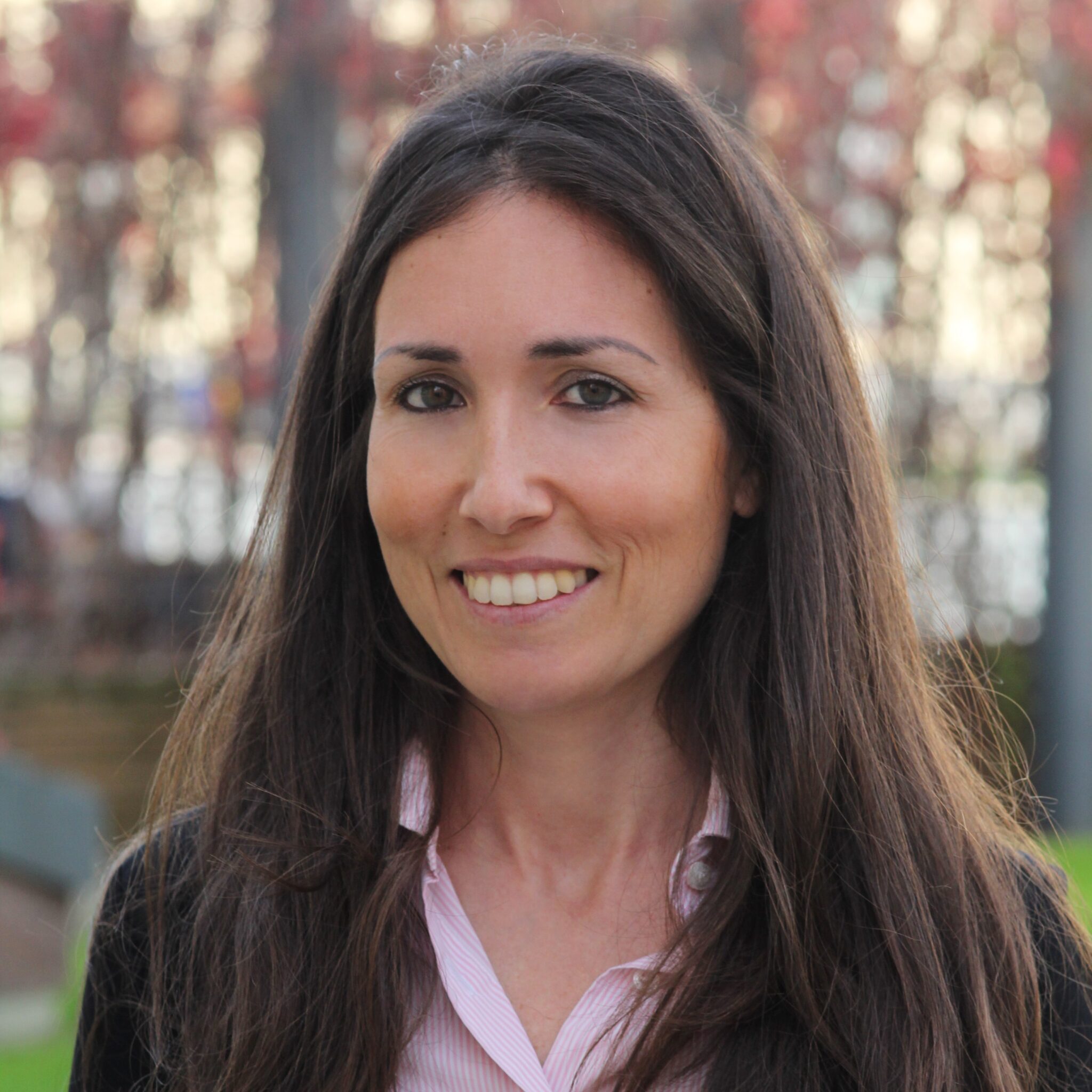
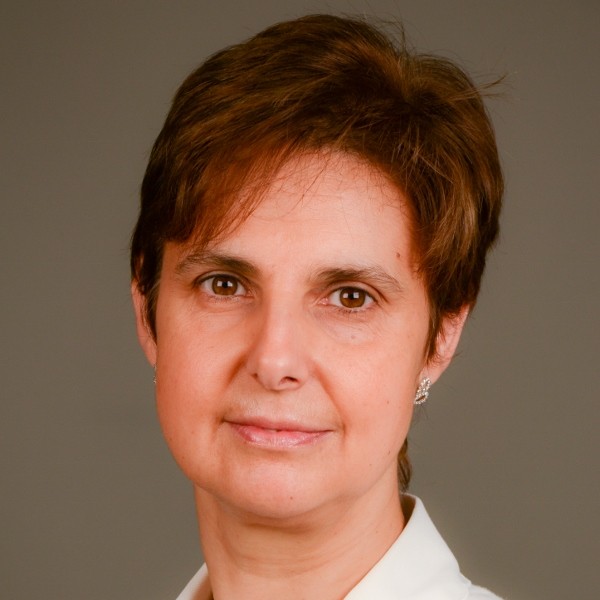
Gabriella Povero is Innovation Manager in the Centre on Earth Observation of Fondazione LINKS. She also serves as Office Manager of the European Technology Platform on High Performance Computing. She holds a MSc degree in Electronics Engineering from Politecnico di Torino.
Maria Luisa Quarta is currently Project Manager at MEEO S.r.l. with extensive experience in Copernicus Programme data and GIS applications, actively contributing to Horizon Europe, related cascade calls, and European Space Agency-funded projects. Her work focuses on Earth Observation and meteo-climate data applications for agriculture, fisheries, forestry, cultural heritage, and climate change adaptation and mitigation, alongside tackling data management challenges. She leads the technical coordination of remote sensing application development and is passionate about music and nature.
Bente Lilja Bye is an expert in Earth observation data management, communication, and stakeholder engagement. In the CLEAR-EO project, she leads dissemination and engagement activities, helping connect Earth observation data, scientific innovation, and user communities to support the development of actionable Earth intelligence.